The chocolate cake landscape in Singapore has undergone a remarkable transformation. What was once a simple, mass-produced dessert found in supermarket bakeries has evolved into a sophisticated art form. Today, the pursuit of the perfect slice is a journey through rich terroirs, complex flavour profiles, and artistic presentation. The island nation’s humid climate and multi-cultural palate have pushed bakers to innovate, creating cakes that are not only visually stunning but also intensely flavourful. The modern chocolate cake Singapore connoisseur is no longer satisfied with a bland, dry crumb. They seek out single-origin cocoa, customised designs, and a balance of sweetness that caters to a health-conscious demographic. This shift has turned the local bakery scene into a vibrant laboratory of taste, where the classic chocolate cake is constantly being reimagined.
The Quest for the Perfect Slice: Texture, Acidity, and the Singapore Palate
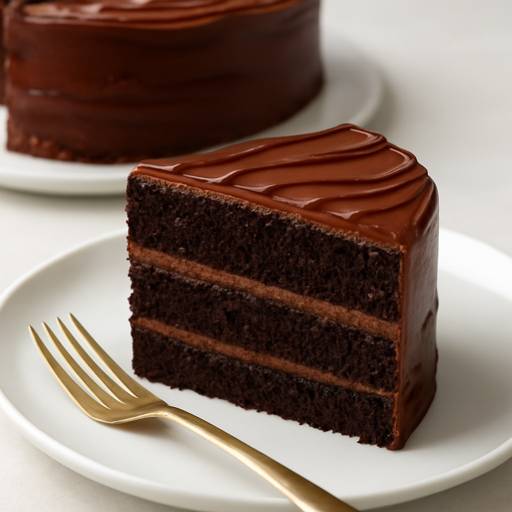
Creating the perfect chocolate cake in Singapore is a battle against the environment. The constant humidity and heat can wreak havoc on delicate buttercreams and ganaches, often leading to melting ganache or a cake that turns stale too quickly. This explains the local preference for denser, fudgier textures over light and airy sponges which can collapse under the tropical weight. Bakers have thus mastered the art of the rich, moist crumb, often using ingredients like sour cream, buttermilk, or even stout beer to add depth and counteract the cloying sweetness typical of commercial mixes. Ganache, a staple of any high-quality chocolate creation, must be precisely tempered to hold its shape for hours on a display counter.
Furthermore, the Singaporean palate is unique in its appreciation for bitter notes. While Western desserts often lean heavily on sugar, local consumers increasingly favour a dark chocolate profile (70% cocoa and above) that allows the natural fruity and woody notes of the bean to shine. This is where the concept of low sugar baking has become a defining trend. The best bakeries are not simply removing sugar; they are replacing it with intelligent flavour pairings. A sprinkle of sea salt, a layer of salted caramel, or a hint of chili can elevate the cocoa without adding a single gram of refined sugar. The result is a chocolate cake that is sophisticated, complex, and perfectly suited to the discerning local palate. The texture must be luxuriously dense but never dry, and the frosting must be silky without being greasy—a technical achievement that separates artisan bakeries from the rest.
This quest has also driven a surge in bespoke creations. A generic chocolate cake is no longer enough. People want a cake that tastes profoundly of chocolate, with a crumb that is both tender and sturdy enough to support intricate decorations. The best examples in Singapore manage to be intensely chocolaty without being overwhelming, a balance achieved through the careful layering of different cocoa sources and the precise control of emulsification. It is this relentless focus on the sensory experience—the first visual impact, the aroma, the melt-in-the-mouth texture—that defines the modern chocolate cake in Singapore.
Beyond Vanilla: The Art of Customisation and Themed Creations
The era of the simple, one-flavour chocolate cake is over. In Singapore, the demand for customised and themed cakes has exploded, transforming the chocolate cake into a canvas for personal expression. This goes far beyond a standard birthday message. Today, you can order a chocolate cake that is a precise replica of a luxury handbag, a detailed video game controller, or a multi-tiered masterpiece that tells the story of a couple’s journey. This trend requires bakers to be both pastry chefs and sculptors, using chocolate fondant and modelling chocolate to create incredibly lifelike designs. The skill lies in building structures that are both visually accurate and structurally sound, ensuring the cake tastes as good as it looks.
The customisation trend also extends to dietary needs and flavour profiles. Many Singaporeans now request eggless, dairy-free, or gluten-free versions of their favourite chocolate cakes, without compromising on taste or texture. This has pushed bakers to experiment with ingredients like aquafaba, nut milks, and alternative flours to achieve a fudgy, decadent crumb. Furthermore, the flavour base itself is being customised. A chocolate cake can be infused with local flavours such as pandan, gula melaka, or durian, creating a uniquely Singaporean hybrid dessert. For a baby shower, a light chocolate sponge with a raspberry filling might be preferred; for a corporate event, a sophisticated dark chocolate and sea salt tart is more appropriate. The ability to marry form with function is where the true mastery lies. Looking for a customised cake in Singapore? At Bob the Baker Boy, we specialise in birthday cakes, wedding cakes, baby shower cakes and more, all freshly baked with low sugar and beautifully personalised to your theme. For those seeking a truly bespoke experience with a focus on quality ingredients, exploring a tailored chocolate cake singapore option that balances artistry with a healthier profile is a fantastic way to celebrate any milestone.
Real-World Baking: Case Studies in Occasion-Based Confectionery
To truly understand the evolution of the chocolate cake in Singapore, one must look at how it is used to mark life’s milestones. Consider the case of the modern corporate event. A standard sheet cake is often deemed inappropriate for a product launch or a company anniversary. Instead, companies commission a chocolate cake that serves as a centerpiece, often incorporating the company logo in mirror glaze or sugar art. This requires a baker who can work with precision and scale. The cake must be stable enough to travel to an office or hotel ballroom and survive the humidity of a buffet line. The same level of demand applies to milestone birthdays. A 50th or 80th birthday is no longer just a gathering; it is a production. A classic dark chocolate cake with a luxurious ganache is still a top choice, but the design might be embedded with edible photographs or fashioned to look like a vintage car or a luxury watch.
Baby showers represent another fascinating case study. The demand for low sugar options is particularly high here, as expecting mothers are often mindful of their health. A successful baby shower cake is usually a double triumph: it must be adorable (think tiny fondant elephants or baby booties) and deliciously guilt-free. Bakers have perfected sugar-free or low-sugar chocolate sponges using natural sweeteners like monk fruit or stevia, paired with a rich, dark chocolate cream. The visual appeal is maintained without the sugar crash. One real-world example involved a baker creating a “gender reveal” cake that was a rich Belgian chocolate cake on the inside, but the exterior was a perfect white wedding-cake style, hiding a coloured sponge within. The technical challenge of keeping the interior colour hidden and perfectly baked was immense, yet the result was a key area! key! The final result was a cake that delivered on both the surprise and the flavour.
These case studies highlight a key shift: the cake is no longer a last-minute addition to an event. It is a central design element, a conversation starter, and a reflection of the host's personality and values. Whether it is a wedding cake requiring a black forest flavour profile to match a rustic theme, or a children’s party cake designed as a chocolate volcano, the baker must act as a consultant. The conversation starts with the event, moves to the design, and then zeroes in on the flavour and dietary constraints. The success of this model in Singapore proves that the market values creativity, quality, and health consciousness in equal measure. The chocolate cake has become a sophisticated tool for storytelling, capable of capturing the essence of any occasion.