The healthcare industry is experiencing an unprecedented demand for compassionate, skilled professionals who can provide essential care outside of traditional hospital settings. At the heart of this movement are home health aides—dedicated individuals who bring medical support, emotional companionship, and daily living assistance directly to the doorsteps of those in need. For anyone considering a career that offers both profound personal satisfaction and long-term stability, exploring home health aide jobs is a decision that can reshape your professional future. Unlike many entry-level positions, this role is not just a job; it is a calling that requires a unique blend of patience, technical skill, and genuine empathy.
The landscape of home care is evolving rapidly. As the global population ages and more families prefer to keep their loved ones in the comfort of their own homes, the role of the home health aide has shifted from a convenience to a necessity. This shift has created a robust job market where qualified aides are not merely applicants but highly sought-after assets. Whether you are entering the workforce for the first time, changing careers, or looking for a role that offers flexibility, the field of home health care provides a pathway to meaningful employment that resists economic downturns and automation. The work is hands-on, the impact is immediate, and the gratitude from clients and their families is a daily reminder of why this profession matters.
Understanding the Daily Realities of a Home Health Aide
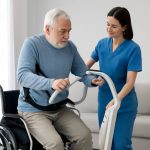
To truly succeed in this field, one must understand that the responsibilities extend far beyond basic housekeeping. A home health aide serves as the frontline of care, often acting as the eyes and ears for registered nurses and doctors who cannot be present daily. The core of the job involves assisting with Activities of Daily Living (ADLs). This includes helping clients with bathing, grooming, dressing, and toileting. While these tasks may sound straightforward, they require a profound respect for the client’s dignity and a high level of physical stamina. Aides are trained to assist without taking over, encouraging independence while ensuring safety to prevent falls or injuries.
Beyond physical care, the role encompasses a significant emotional and psychological component. Many clients receiving home care are elderly, disabled, or recovering from major surgery. They often experience feelings of isolation, depression, or frustration regarding their loss of independence. A home health aide is often the primary source of social interaction for these individuals. By engaging in conversation, playing games, or simply listening to stories, aides provide a therapeutic presence that medication alone cannot offer. This relational aspect of the job is often what separates a good aide from a great one. It requires active listening skills, patience, and the ability to remain calm and reassuring in stressful situations.
Clinical duties also form a critical pillar of the profession, though the scope varies by state and certification level. Depending on the specific placement and the needs of the client, an aide may be responsible for checking vital signs such as pulse, temperature, and respiration. They assist with prescribed exercises, manage medication reminders, and change simple wound dressings. Aides are trained to observe and report changes in a client’s condition to a supervising nurse. This vigilance is crucial; catching a subtle change in a client’s appetite or mental status can prevent a hospital readmission. For those who enjoy variety, home health aide jobs ensure that no two days are exactly alike, as the needs and moods of clients evolve from day to day.
Navigating Certification, Training, and Career Advancement
For aspiring professionals, understanding the pathway to employment is essential. While the requirements for home health aides vary from state to state, there is a general standard of training that ensures safety and competency. In many regions, especially for those working for agencies that receive Medicare or Medicaid funding, a formal certification is mandatory. This typically involves completing a state-approved training program, which can range from 75 to 120 hours. These programs cover essential topics such as basic nutrition, infection control, emergency procedures, and patient rights. Following the classroom instruction, candidates usually must pass a competency evaluation that includes a written exam and a practical skills demonstration.
However, formal education is only the foundation. The most successful health aides possess a set of soft skills that cannot be taught in a textbook. Reliability is paramount; clients and their families build their schedules around the aide’s arrival. A missed shift is not an inconvenience but a potential health risk. Furthermore, observational skills are critical. A successful aide notices when a client is in pain but trying to hide it, or when a home environment has become unsafe due to clutter or poor lighting. Empathy and ethical boundaries are also vital. While forming close bonds with clients is natural and encouraged, professionals must maintain boundaries to avoid burnout and ensure that the care plan remains the priority.
The career trajectory for a home health aide is more dynamic than many realize. Many professionals use this role as a stepping stone into the broader medical field. The hands-on patient experience gained in the home is invaluable for those who later decide to pursue careers as Licensed Practical Nurses (LPNs) or Registered Nurses (RNs). Additionally, there are opportunities for specialization within the home care ecosystem. Aides can pursue additional certifications in areas like dementia care, hospice and palliative care, or specialized pediatric care. As you gain experience and build a reputation for excellence, you may find that the best home health aide jobs come with increased autonomy, higher pay, and the ability to select clients who match your specific skill set.
The Outlook, Benefits, and Realities of the Caregiving Market
The economic and emotional benefits of pursuing a career in home health care are substantial. From a job security standpoint, the Bureau of Labor Statistics consistently projects that home health and personal care aide employment will grow much faster than the average for all occupations. This is driven by the “silver tsunami”—the aging of the Baby Boomer generation—and a universal preference for aging in place. Hospitals are also incentivized to discharge patients earlier, which increases the need for post-acute care at home. For job seekers, this translates to a market where you have the power of choice. You can choose between working for a large agency, a small private registry, or even contracting directly with a family.
Flexibility is another major draw. While some aides work standard 9-to-5 shifts, the industry is ultimately a 24/7 operation. This allows for part-time work, overnight shifts, weekend-only schedules, and live-in arrangements. This flexibility makes it an excellent option for parents, students, or those looking to supplement their income. However, it is important to approach the role with open eyes regarding the physical demands. The job requires lifting, bending, and standing for long periods. Aides must practice proper body mechanics to protect their own health. Additionally, the emotional weight of caring for declining clients, particularly in hospice situations, requires a strong support system and healthy coping mechanisms for the caregiver.
Ultimately, the search for the right position requires a platform that understands the nuances of the care industry. Connecting with employers who value your training and respect your boundaries is key to a sustainable career. As you navigate the job boards and evaluate potential employers, focus on agencies that offer continuing education, have a rapid response system for emergencies, and provide competitive benefits like health insurance and paid time off. The relationship between a caregiver and a client is intimate and profound. By aligning yourself with the right organization or family, you set the stage for a career that is not only financially rewarding but also deeply impactful. The world of home care is waiting for dedicated individuals ready to make a house a safe, healthy, and happy home.